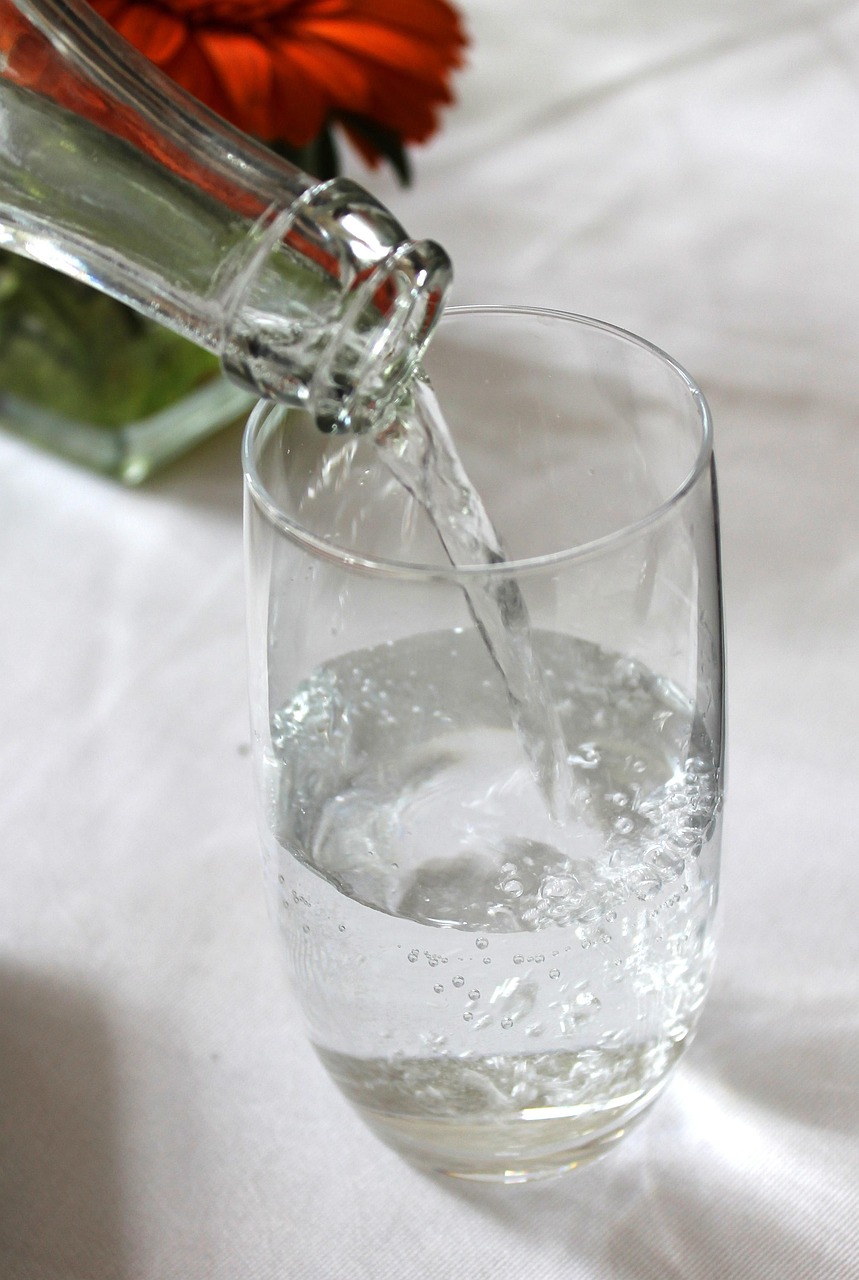
If you’re serious about your health, magnetic water therapy offers a fresh, eye-opening take on why water quality matters.
And not just “drink filtered water instead of tap” matters. I’m talking about the actual structure and energy of the water you put in your body.
One area that’s been quietly making waves (pun intended) is magnetic water treatment – the idea that exposing water to a magnetic field can influence its chemical and physical characteristics in ways that may support health and vitality.
Think of it as a natural upgrade after filtration: a gentle method that can affect surface tension, mineral behavior, and how water interacts with your body’s systems.
TL;DR – What You’ll Learn
In this guide, you’ll discover what magnetic water therapy is, how magnetic water treatment works, and why people use it for drinking water, showers, plants, and even swimming pool water.
We’ll cover the science and scientific evidence, explain the chemical and physical characteristics that can change, and show you how to try it at home.
You’ll also see our recommended magnetic water treatment devices — from portable bottles to whole-house systems – so you can start experimenting right away.

What Is Magnetic Water Therapy?
Magnetic water treatment, also called magnetized water or magnetic water therapy, is the practice of structuring water near magnets to alter its chemical and physical characteristics. People use it for drinking water, showering, reducing scale in pipes, improving seed germination rates, to support plant growth.
When we talk about magnetic water treatment devices, we mean everything from simple clamp-on magnets for a pipe to high-tech vortex-magnet systems designed for whole homes. These devices aim to influence water’s properties without adding chemicals or removing minerals — a clean, low-maintenance approach that complements other water treatment methods.

A Brief History of Magnetic Water Treatment
The fascination with magnets and health goes back to antiquity – Hippocrates and Aristotle wrote about magnetism’s potential – and experimental use continued through Paracelsus in the 16th century. In the 1800s, pioneers of electricity and magnetism, including Faraday, investigated how fields interact with materials like water.
By the 20th century, engineers began experimenting with magnetic water treatment devices for industrial purposes: reducing scale in boilers, protecting pipes from corrosion, and improving water quality in manufacturing. Today, the same principles are applied in residential systems, agricultural irrigation, and even swimming pool water management.

How Magnetic Water Treatment Works
The magnetic water treatment works by having water pass through a magnetic or electromagnetic field, which can affect how water molecules and dissolved minerals like calcium and magnesium are arranged. This can lead to subtle shifts in chemical and physical characteristics such as pH, surface tension, and mineral solubility.
There are three main types of magnetic water treatment devices:
- Permanent magnets: Strong neodymium magnets mounted around pipes or inside a housing. Simple and maintenance-free.
- Electromagnets: Powered coils that generate a controlled field around the water flow. Adjustable for different water conditions.
- Vortex + magnet hybrids: Devices that swirl vortex water, while exposing it to magnets, enhancing the structuring effect.
Chemical and Physical Characteristics
The chemical and physical characteristics of magnetized water can differ from untreated water in small but measurable ways. Studies have observed changes in:
- pH levels — slight increases in alkalinity after treatment.
- Surface tension — lower surface tension can improve water’s wetting ability.
- Mineral crystallization — tendency toward less adherent scale (more aragonite, less calcite).
- Solubility of salts — potentially affecting how minerals behave in pipes and appliances.
These effects may fade with time, which is why experts recommend consuming or using magnetized water soon after treatment.

Scientific Evidence
There is growing scientific evidence that magnetic water treatment can influence scale formation and certain water properties.
Here’s where things get interesting. There’s scientific evidence suggesting that magnetic fields can slightly shift certain water properties, pH, surface tension, and even mineral solubility.
For instance, one study found that passing water through a magnetic field made it more alkaline (Ben Amor et al., 2018). Other work has shown reductions in scale formation, which is why magnetic treatment is popular in some industrial water systems (ScienceDirect, 2024).
However, in terms of direct human health benefits, research is still early-stage. Animal studies show magnetized water can influence markers like blood glucose, hydration, oxidative stress, and mineral metabolism, but large-scale human trials are lacking.
Real-World Applications
While most people first think of magnetic water treatment in the context of drinking water, its applications extend far beyond the kitchen sink.
From improving the feel of your shower water to helping plants thrive, this versatile technology can be adapted for many purposes. Here’s where magnetic water treatment devices are making an impact:
Drinking Water
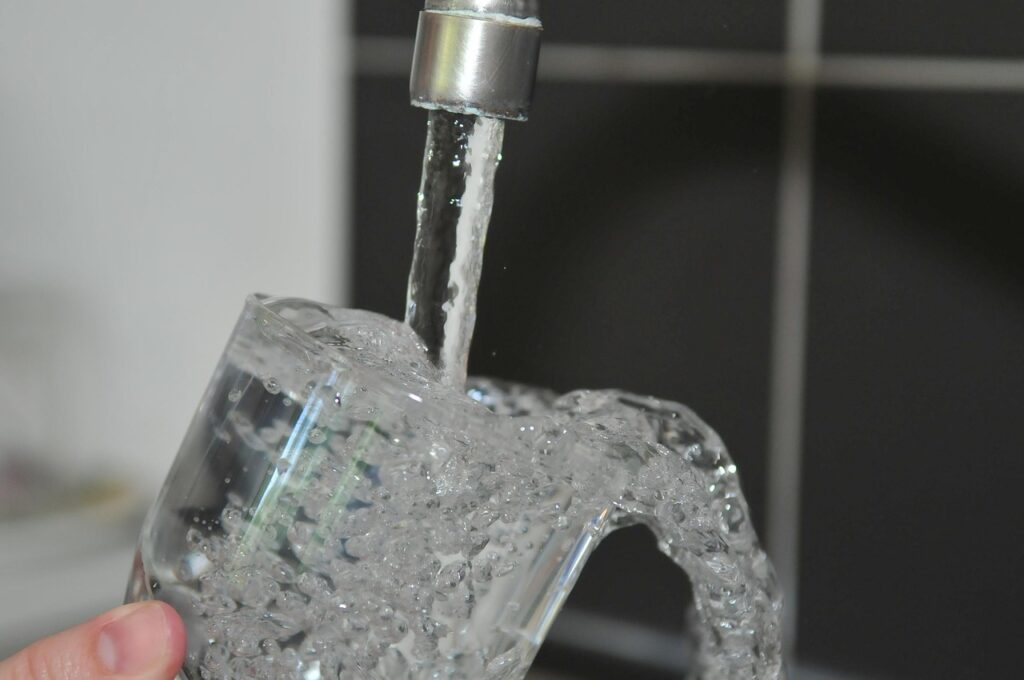
Installing magnetic water treatment devices at your kitchen tap is one of the simplest ways to start.
Treated water may feel smoother, taste cleaner, and be more enjoyable to drink. Some users report that they feel more hydrated, even when drinking slightly less water.
This is likely due to subtle changes in surface tension and mineral behavior that make the water interact differently with the body. Pairing a magnetic system with good filtration ensures you’re improving both safety and structure.
Showering & Bathing
In the shower, magnetic water treatment works by reducing mineral scale buildup on your skin, hair, and bathroom fixtures.
This can help your soap lather better, leave skin feeling softer, and prevent that “squeaky” dryness that sometimes comes from hard water.
For people with sensitive skin, less mineral residue can also mean less irritation. Many whole-house systems include the shower as part of the treated flow, but you can also install a dedicated shower unit.


Irrigation & Plant Health
Gardeners and farmers use magnetic water treatment for irrigation water to help seeds germinate faster, improve nutrient uptake, and reduce scaling inside irrigation lines.
The result can be healthier water for plants and more efficient watering systems.
Studies show when minerals stay more dissolved, plant roots can access them more easily, leading to stronger growth and higher yields.
Swimming Pool Water
For swimming pool water, magnetic systems can be installed alongside the filtration loop.
They help to keep calcium deposits from forming on tiles, ladders, and pump equipment, and also reduce the amount of scaling inside heat exchangers.
While they don’t replace sanitizers like chlorine, they can help your pool water feel silkier and allow you to use less chemical treatment over time. For pool owners in hard water areas, this can mean noticeable maintenance savings.

Potential Health Benefits
Users often describe feeling more hydrated, experiencing smoother digestion, or noticing better skin and hair texture.
Since hydration is a foundation for good health, any method that encourages people to drink more high-quality water have health benefits.
- Better hydration and absorption.
- Supports our biomagnetism
- Reduced mineral scaling in pipes and appliances.
- Possible improvements in skin and hair feel.
- Potential plant growth benefits from irrigation with magnetized water.

How to Try Magnetic Water Therapy at Home
Getting started with magnetic water therapy doesn’t have to be complicated.
The best approach depends on your budget, your living situation, and your goals. Some people start small with a portable option, while others go all-in with a whole-house installation.
Here’s how to decide which magnetic water treatment devices might work for you:
- Portable bottles — Ideal for beginners, these bottles contain built-in magnets that treat your water as you carry it. They’re perfect for work, travel, or workouts.
- Under-sink units — Installed directly at your kitchen tap, they treat all the water you use for drinking and cooking. This is a great mid-range choice for most households.
- Whole-house systems — Installed on the main water line, they treat every drop entering your home. These are best for homeowners looking to protect appliances, reduce scale, and improve water feel throughout the house.
Best Magnetic Water Treatment Devices
Not all magnetic water treatment devices are created equal. The right choice depends on your specific needs: portability, point-of-use, or whole-home coverage. Below are our top picks, each offering a different approach to magnetic water treatment.
- Affordable and Popular Magnetic Water Conditioner – this under-sink or inline option is an easy install for the home handyman. Get your magnetic water conditioner here.
- DripWorks Magnetic Water Conditioner – Designed for both irrigation and household use, this budget-friendly option helps reduce scale buildup and can even improve soil and plant health when used in gardens. Check out the DripWorks conditioner here.
- Fractal Water Ultra Imploder – a high-end vortex + magnet system for the serious water enthusiast, and an investment that transforms water quality across your home. Discover the Fractal Water difference here!
Magnetic Water vs. Other Methods
Compared to other structured water methods like vortexing or sun-charging water, magnetic water treatment focuses on altering molecular arrangement and mineral crystallization using a magnetic field. Each method can complement the others for different goals.
Final Thoughts
Magnetic water therapy is a low-maintenance, chemical-free way to optimize water quality. Whether for drinking, bathing, gardening, or even swimming pool water, the right magnetic water treatment devices can be a worthwhile addition to your home water system.